Healthy soil is a farm's real capital. An electric tractor cannot farm for you, but it removes some of what harms the soil and the crop.
What changes when the tractor is electric
- No exhaust over the cropA diesel tractor works the field while its exhaust drifts over the crop. An electric one has no exhaust at all, and no fuel or engine oil to spill on the soil.
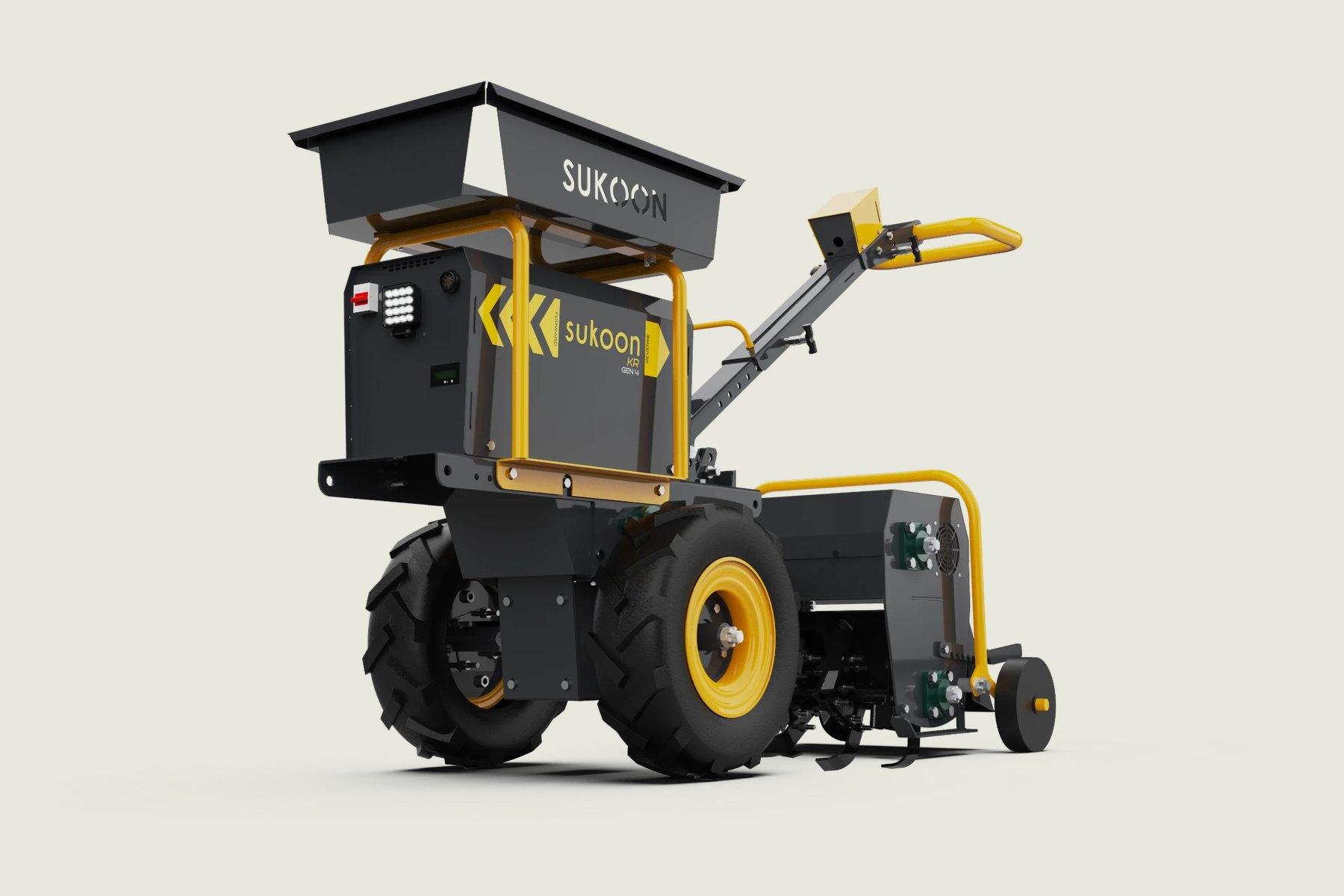
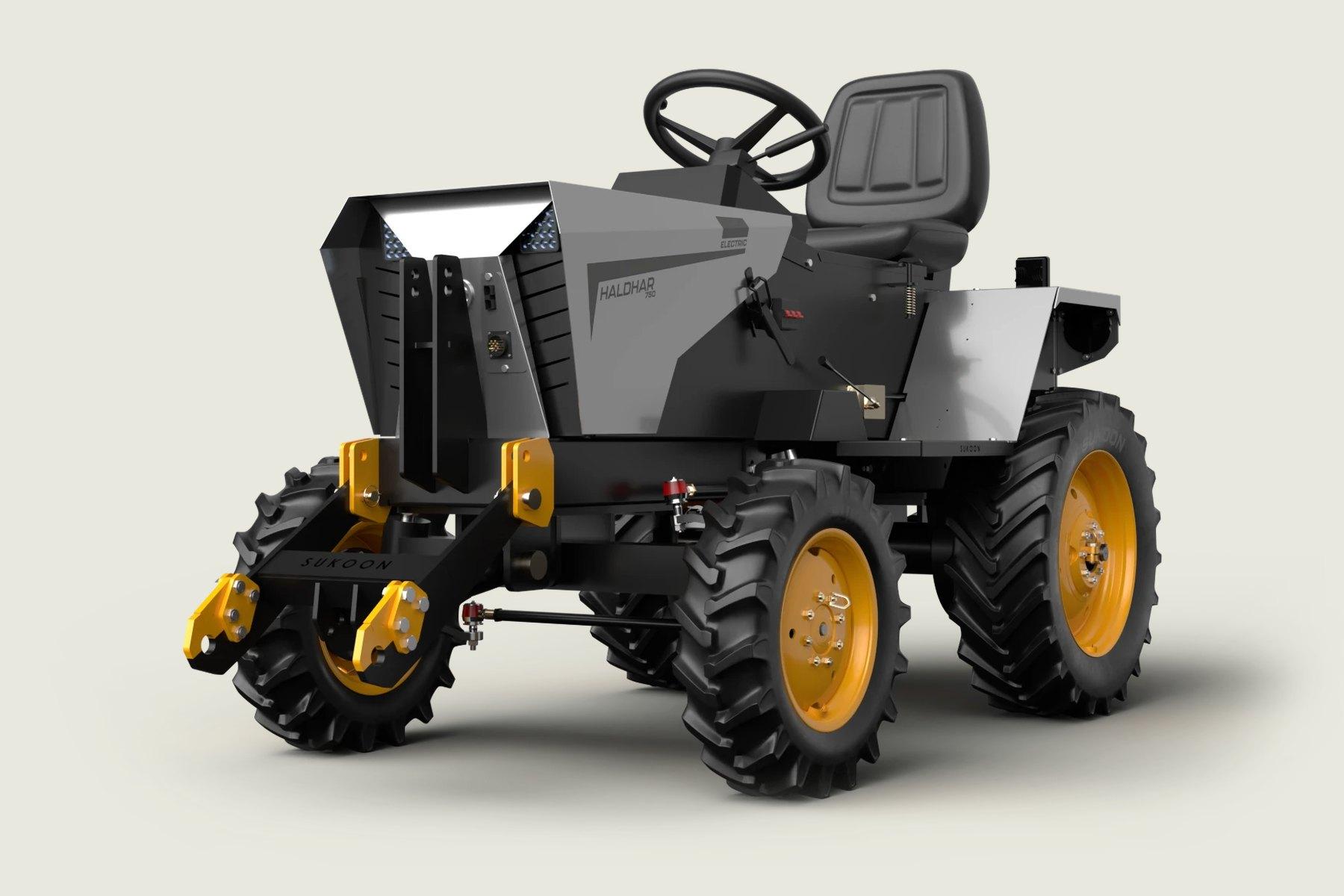
- Lighter on the groundSukoon's machines are light for the work they do: the KR-GEN 4 weighs 120 kg with its battery and the Haldhar 750 635 kg. A lighter machine presses less on the soil, which helps keep it loose for roots and water.
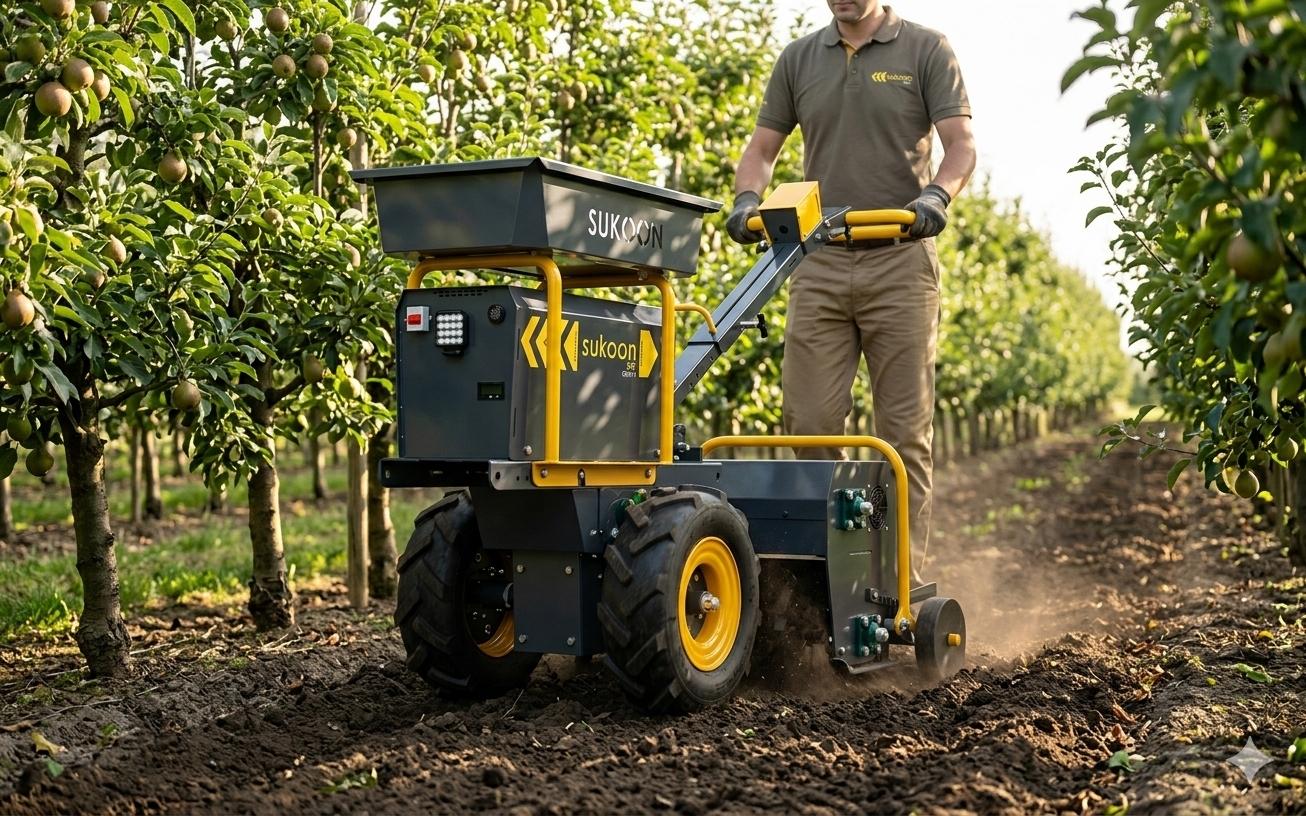
- Close to the cropQuiet, fume-free machines can work inside polyhouses and between orchard rows, so inter-cultivation and de-weeding happen when the crop needs them.
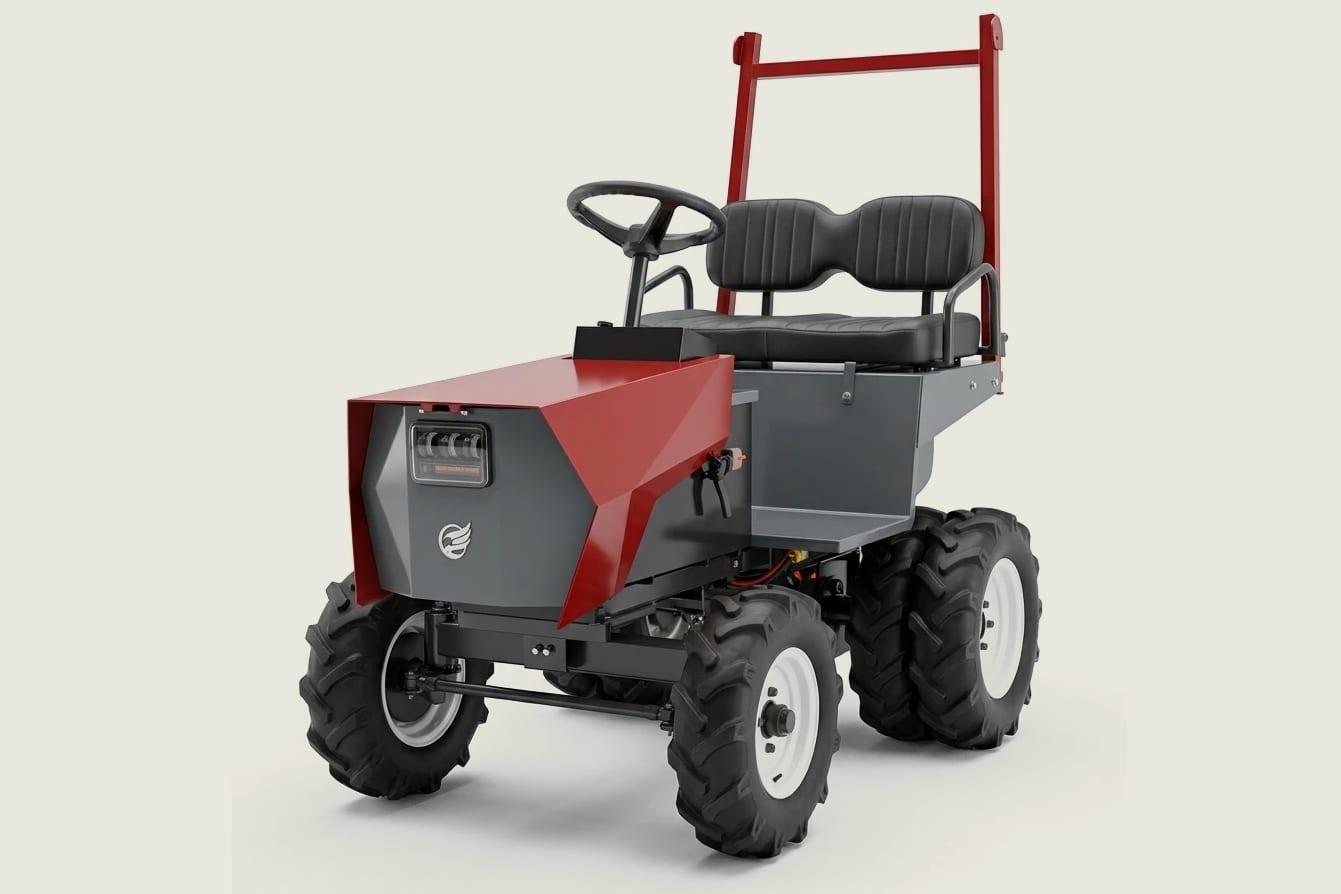
- The right tool for each stageAttachments for every stage, from soil preparation to haulage, mean each job is done with an implement made for it rather than whatever is at hand.
In short
Cleaner air over the field, less weight on the soil and timely work through the season all help the soil stay healthy, and healthy soil is where a good harvest starts. Charged from solar, the whole cycle runs with no carbon at all.